

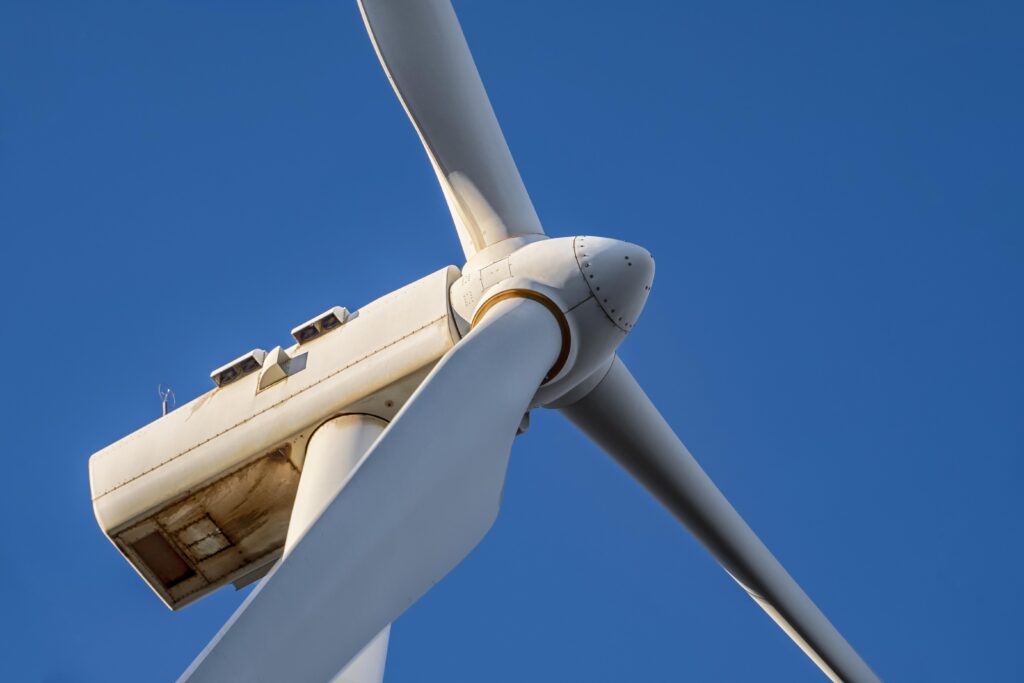
East Yorkshire campaigners have won a battle to stop six giant wind turbines being constructed over a countryside beauty spot that inspired numerous artworks by the late David Hockney. The 492ft-high structures would have loomed over the rolling Yorkshire Wolds landscape.
However, planning officers at East Riding Of Yorkshire Council have now turned down the controversial scheme, citing threats to historic landmarks, villagers’ homes and even military radar. There was an unusually vocal number of complaints about the plan on the authority’s planning portal.
One public objection stated: “There are already a considerable number of wind turbines in East Yorkshire, at Lissett and Fraisethorpe and in increasing numbers at Hornsea. Furthermore, there are proposals for more solar farms which indicates that East Yorkshire has become a target for renewable energy proliferation. This is not acceptable, turning a traditional farming landscape into an industrial wasteland.”
It continued: “There has to be a balance, a sharing out of equal pain if you wish to think of it like that, and I submit that in our still relatively unspoilt countryside here, adjacent to the ancient historical highway we call Woldgate, we have done enough. I reiterate therefore my strong objection to the proposed installation.”
East Riding of Yorkshire Council refused the application by Three Oaks REP Extension Ltd. The proposals would have seen six turbines built at Thornholme Fields, near Burton Agnes.
A 300ft-high meteorological mast, underground cables, transformer kiosks, crane pads and access tracks were also included.
In a report setting out five reasons for refusal, council planners warned the development would cause ‘a high level of harm’ to some of the area’s most treasured landmarks. These included Burton Agnes Hall, its Grade I-listed gatehouse, All Saints Church in Rudston and England’s largest standing stone, the 40-tonne neolithic Rudston Monolith.
Comments from Humberside Police noted the rising risk of crime around windfarm sites and said, if the plan had been given the go-ahead, a comprehensive security scheme would have been essential.
“Wind farm operators should be aware of the rising threat of copper theft. It is important that immediate action is taken to inspect the turbines for signs of tampering or theft,” the police comment stated.
Local communities focused their campaign on the heritage of the area, the impact on residents’ lives, and the area’s connection to the famous painter David Hockney.
Rob Booth, a local resident and member of campaign group Keep Wind Off Woldgate, said: “We are all so relieved – the phones in the village were alive when we heard the decision. We did so much work to raise our concerns about this wholly inappropriate development, so it’s a very welcome decision – but it’s still not properly sunk in yet.”
Mr Booth added: “The field that would have hosted the wind farm bordered Woldgate, an ancient lane made famous by David Hockney who painted it many times when he lived here. I think he would be very relieved – like us – that the plans are not going ahead. It’s a really special little area and the windfarm would have blighted it for generations to come.”
Residents had feared the structures would transform a landscape made famous worldwide by Hockney. The Bradford-born painter, who died in June aged 88, regularly travelled along Woldgate to his studio in Bridlington, drawing inspiration from its woods and fields.
He painted the East Yorkshire area repeatedly, including in his acclaimed 2011 iPad series ‘The Arrival of Spring’, created over six months. One of David Hockney’s Woldgate Woods artworks sold for almost £10million in New York in 2016.
By: Paul Drury-Bradey, LDRS